Sambal Udang and Sambal Cumi Asin: The Seafood Sambals That Define Coastal Indonesian Flavour
michael samsir
Lead author at Rolly.
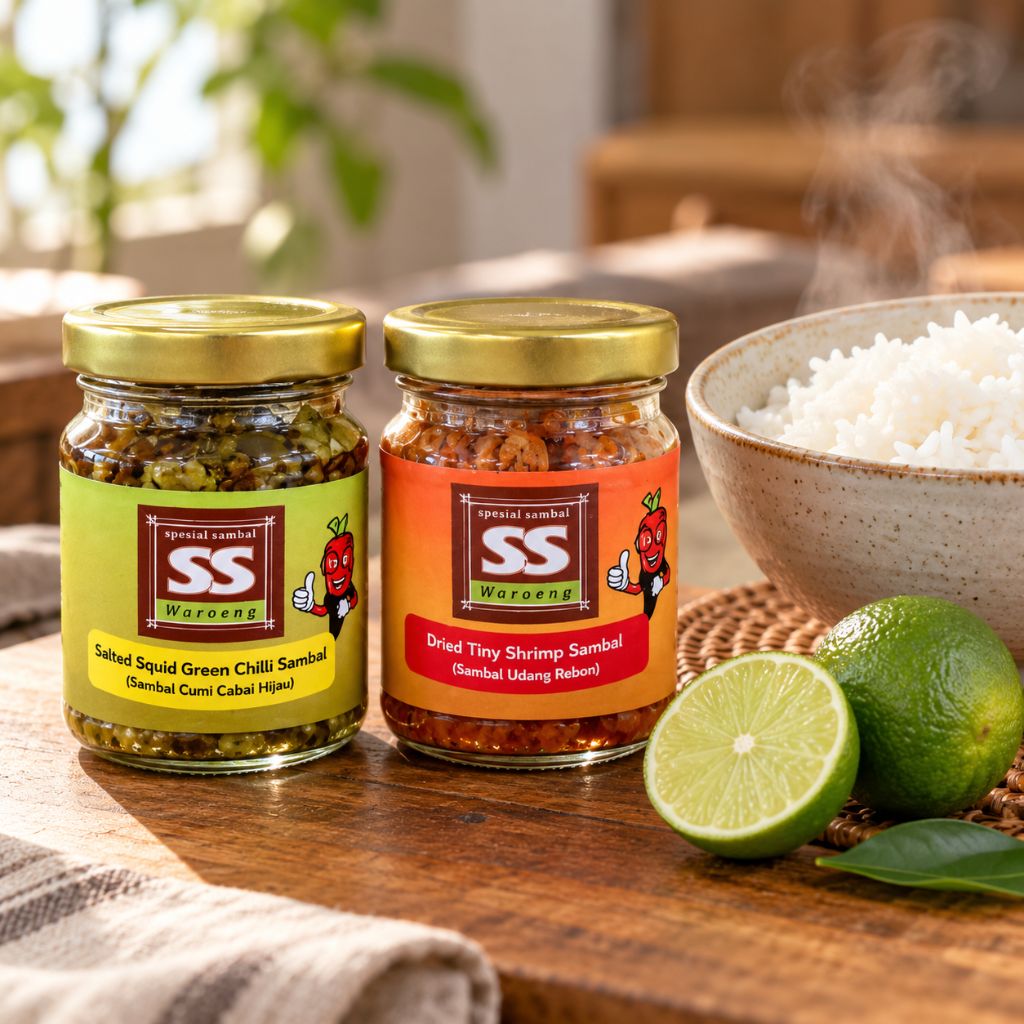
Meet the two seafood sambals from SS Mart: Sambal Udang, made with dried tiny shrimp, and Sambal Cumi Asin, made with salted squid and green chili. Here is how they taste, how to use them and a shrimp sambal fried rice to start with.
Indonesia is an archipelago of more than 17,000 islands, and almost none of its people live far from the sea. That geography is written into the food. Fishing villages dry, salt and ferment what the boats bring in, and those preserved flavours travel inland in the form of paste, powder and sambal.
Ask a cook from the coast what makes a meal feel properly Indonesian and the answer is often not the chili. It is the deep, salty-sweet savour of the sea sitting underneath it. Two sambals capture that better than any others: Sambal Udang, made with dried tiny shrimp, and Sambal Cumi Asin, made with salted squid and green chili. This guide explains both, and how to put them to work in your own kitchen.
Why Seafood Belongs in Sambal
Before refrigeration, the sea's catch had to be preserved quickly. Drying and salting were the answer, and they did more than keep food from spoiling. Both methods concentrate flavour. A fresh shrimp tastes gently sweet. A sun-dried one tastes intensely of shrimp, with a savoury depth that fresh seafood cannot match.
Indonesian cooks learned to use that concentration the way other cuisines use anchovy or aged cheese. Pounded together with chili, shallot and garlic, a spoonful of dried seafood turns a simple paste into something that tastes much bigger than its ingredients. This is the idea behind the whole coastal sambal tradition, and it is why these jars are so different from a plain chili sauce.
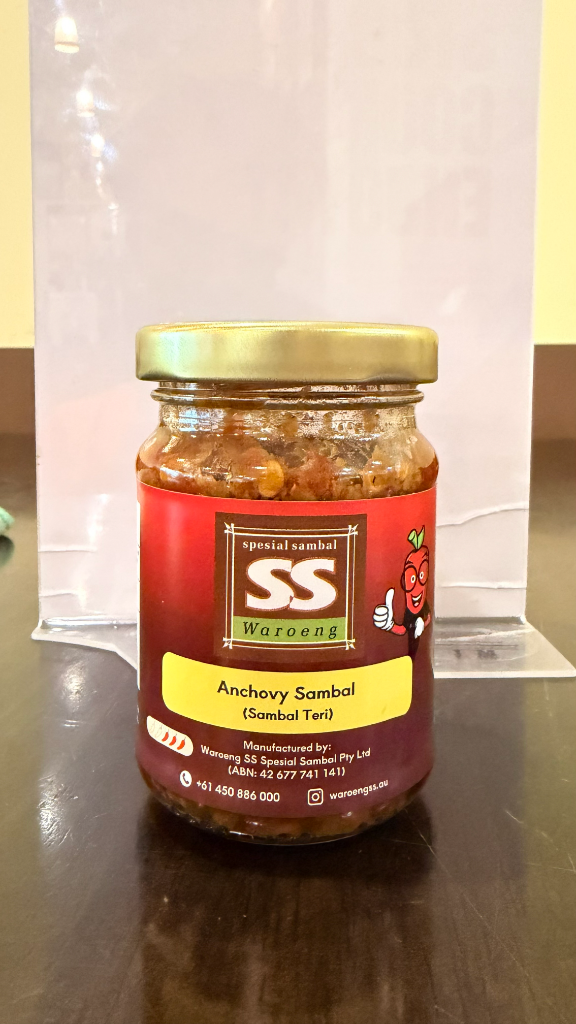
If you have already tried Sambal Teri, the anchovy sambal in the SS Mart range, you have met the first member of this family. Udang and Cumi Asin take the idea further.
Sambal Udang: Dried Tiny Shrimp
Sambal Udang is built on ebi, also called rebon: tiny shrimp that are dried until small, light and intensely flavoured. Udang simply means shrimp in Indonesian.
What you taste is a natural umami, with a briny sweetness that sits somewhere between the sea and toasted nuts. The shrimp are fine and soft rather than crunchy, so they melt into the chili paste and season it all the way through. Heat is present but sits behind the savoury flavour, which makes this a sambal you eat for its taste first.
The Small Dried Tiny Shrimp Sambal (Udang) comes in a 60g jar. Because the flavour is so concentrated, a small amount covers a lot of food.
Sambal Cumi Asin: Salted Squid and Green Chili
Cumi means squid, and asin means salty. Cumi asin is squid that has been salted and dried, a staple of coastal Indonesian kitchens.
Salted squid is a different ingredient from fresh squid. Fresh squid is mild, tender and quick to cook. Salted squid is firmer and chewier, with a savoury, slightly sweet, deeply marine taste that has been built by salt and time. It is closer in spirit to a cured ingredient than to a piece of seafood you would grill.
The green chili is what sets this sambal apart. Where red chili tends to bring a rounder, sweeter heat, green chili is sharper and fresher. It cuts through the richness of the squid and gives the jar a lively, herbal edge that keeps the salty flavour from feeling heavy.
The Small Salted Squid Green Chili Sambal (Cumi Asin) comes in a 140g jar, with pieces of squid you can see and chew.
Which One Is More Intense?
They are intense in different ways.
- Sambal Udang is the more concentrated of the two in savoury flavour. The shrimp melt into the paste, so the umami is everywhere in each spoonful. A little goes a long way.
- Sambal Cumi Asin is the more textured and sharper. The green chili adds freshness and bite, and the squid gives you something to chew.
For heat, heat levels vary by batch and by jar, so check the label and start with a small taste. As with any sambal, a quarter to half a teaspoon on rice is a sensible first spoonful.
How to Use Them
Both jars work the way any sambal does, as a condiment, a cooking base or a side. These are the easiest places to start.
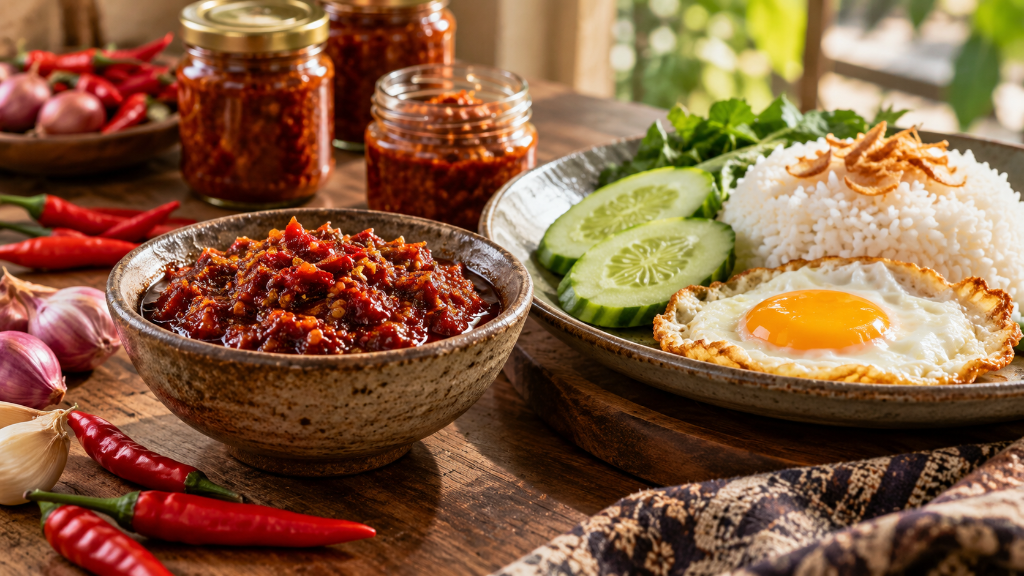
Steamed rice. The most traditional way. A spoonful beside plain rice and a fried egg is a complete meal, and both sambals suit it.
Noodles. Stir a teaspoon of Sambal Udang through hot egg noodles with a splash of soy sauce. The shrimp dissolve into the noodles and flavour every strand. Cumi Asin works well here too, for those who like some chew.
Tofu and tempeh. Plain fried tofu or tempeh is mild and a little dry, which is exactly what these sambals need. Toss warm pieces through a spoonful of either jar, or serve it on the side as a dip. Cumi Asin and tempeh is a particularly good pairing.
Fried rice. The classic use, and the best way to understand what dried shrimp does to a dish. The recipe below shows how.
Who These Sambals Are For
Seafood sambals are not the first jar most people reach for, and they do not need to be. If you are new to this world, start with the basics in What Is Sambal? A Beginner's Guide and try a core jar such as Sambal Bajak.
These two are for the reader who has already done that. If you like the raw, citrus freshness of Balinese Matah or the fragrant crunch of Hot Oil Garlic, and you are curious about what lies further down the coast, Udang and Cumi Asin are the natural next step. They suit anyone who enjoys a savoury, salty, deeply flavoured condiment and likes cooking with the pantry staples of Southeast Asia. Because they are made with seafood, check the label before serving them to guests with dietary needs.
A Note on Supply
These are small-batch sambals, and supply can be limited. If a jar is available when you visit the shop, it is worth picking up. If it is not, check back soon.
Explore the full seafood sambal range at ssmart.com.au, made fresh in Carlton and shipped Australia-wide.
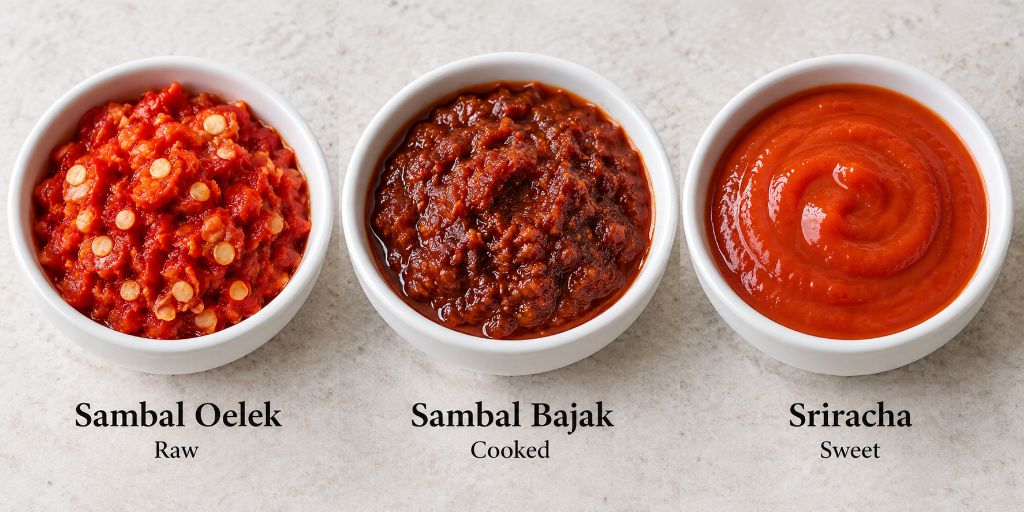
Want to see how the supermarket favourites compare with these? Read next: Sambal Oelek vs Sambal Bajak vs Sriracha: What's the Difference (live 11 November).
Recipe: Nasi Goreng Udang (Shrimp Sambal Fried Rice)
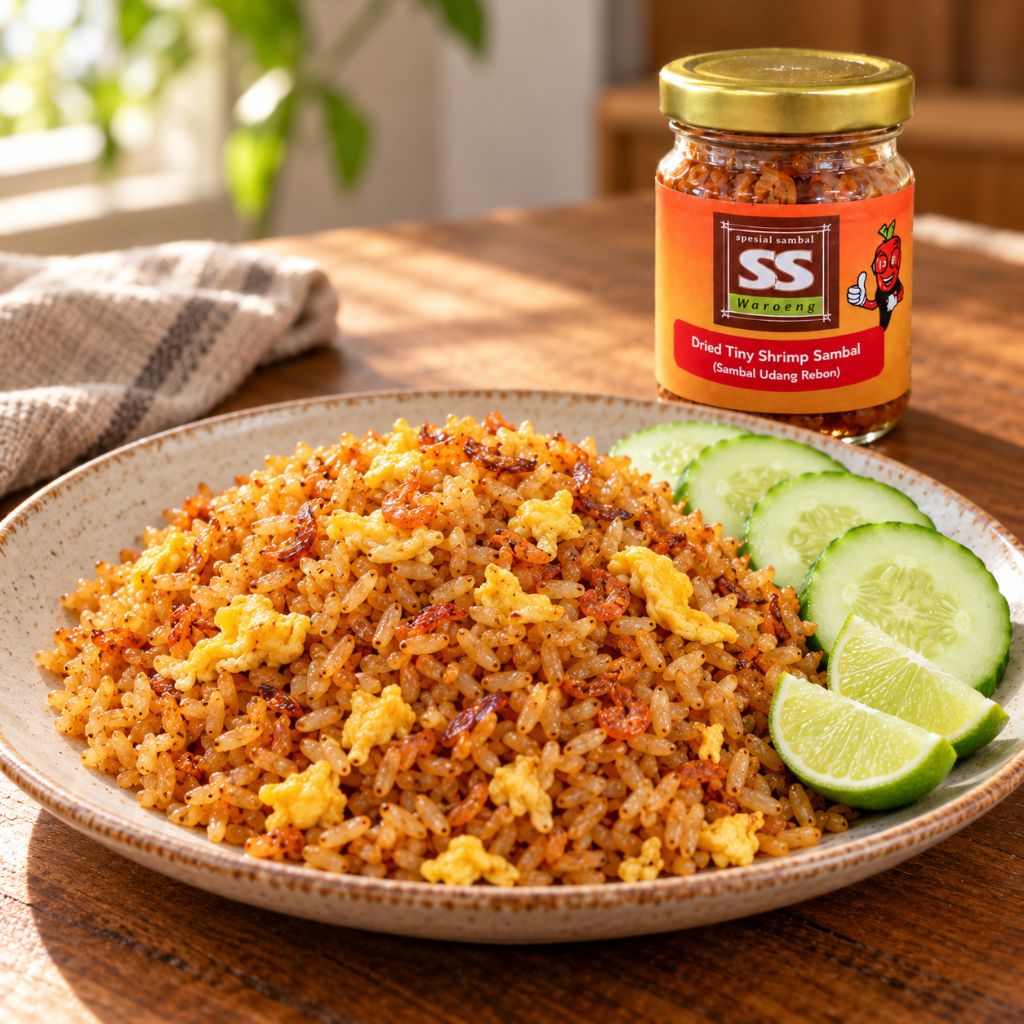
Fried rice is the best way to taste Sambal Udang, because the rice carries the shrimp flavour into every grain. Use day-old rice, which is drier and fries into separate grains rather than clumping.
Serves 2
What you need:
- 2 tablespoons neutral oil
- 3 cloves garlic, finely chopped
- 2 shallots, finely sliced
- 3 cups day-old cooked rice
- 1 tablespoon SS Mart Sambal Udang
- 2 eggs, beaten
- 1 to 2 tablespoons kecap manis (sweet soy sauce), to taste
- Salt, to taste
- Sliced cucumber and lime wedges, to serve
Method:
Heat the oil in a wok or large frying pan over medium-high heat. Add the garlic and shallot and fry, stirring, until fragrant and lightly golden.
Add the day-old rice, breaking up any clumps with your spoon. Add the Sambal Udang and stir-fry for 2 minutes, until the rice is hot and evenly coated.
Push the rice to one side of the pan and pour the beaten egg into the space. Let it set for a few seconds, then scramble it and fold it through the rice.
Season with kecap manis and a little salt. Taste before adding more salt, since the sambal is already savoury.
Divide between two plates and top with cucumber and a wedge of lime. Squeeze the lime over just before eating.
Notes: Start with 1 tablespoon of sambal and add more at the table if you want it stronger. Leftover chicken, a fried egg on top or a handful of spring onion are all good additions. Try the same method with Sambal Cumi Asin for a chewier, greener version.
SS Mart sambals are made fresh in Carlton, Melbourne, and shipped across Australia. No preservatives. No artificial additives. Indonesian-made, Melbourne-fresh.
Image caption 1: Dried tiny shrimp and salted squid: the preserved flavours behind Indonesia's coastal sambalsImage caption 2: Nasi Goreng Udang, finished with cucumber and lime
INTERNAL LINK NOTES (remove before publishing)
- Blog links used (all live or dated on or before publish, except the final read-next): Post 6 (Sambal Teri), Post 13 (What Is Sambal), Post 3 (Balinese Matah), Post 5 (Hot Oil Garlic), and Post 14 (Oelek vs Bajak vs Sriracha) as the single read-next link, which only goes live on 11 Nov 2026. Schedule this post's read-next link accordingly or confirm Post 14 is published before it is clicked.
- Product links used: Small Dried Tiny Shrimp Sambal (Udang) 60g, Small Salted Squid Green Chili Sambal (Cumi Asin) 140g, Small Sambal Bajak 140g (anchor "Sambal Bajak"), and the full sambal collection page.
- After publishing, add links to this post from Posts 6, 13 and 14.
- Confirm before publishing: that the "No preservatives, no artificial additives" line matches the product labels, and that the supply note ("supply can be limited") still reflects stock. Check the labels for allergen and ingredient details before adding any dietary claim.
- Replace the og:image placeholder with the uploaded featured image URL (1200 x 630 px).
Share