What Is Sambal? A Beginner's Guide to Indonesia's Essential Chili Condiment
michael samsir
Lead author at Rolly.
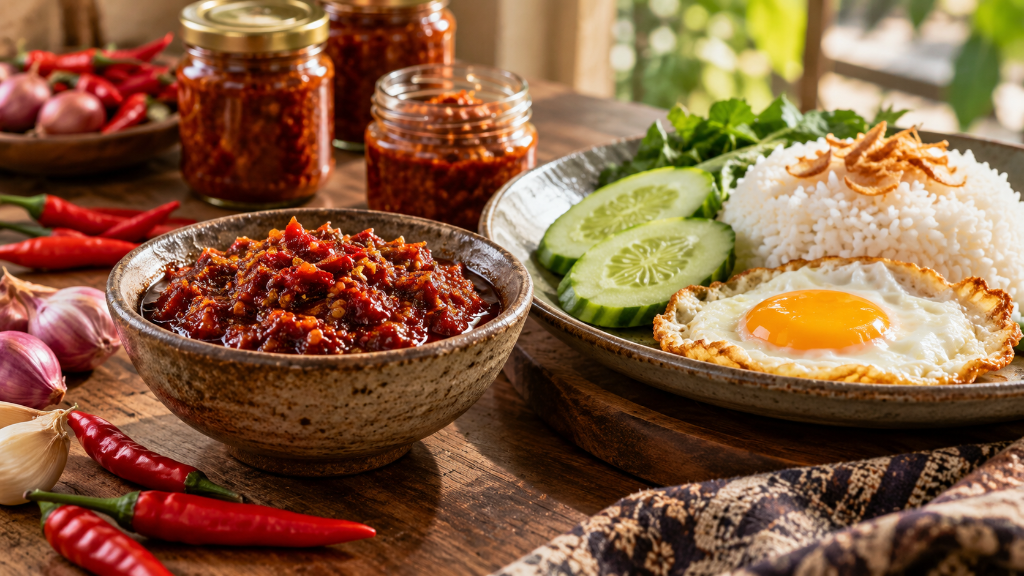
New to sambal? This beginner guide explains what Indonesian sambal is, the raw, cooked and fried styles, how hot it really is and which jar to try first.
In any Indonesian home or warung, a bowl of sambal is on the table before the food arrives. Nobody orders it. Nobody asks whether it is wanted. It is simply there, in the same way salt and pepper are there in other kitchens, and the meal does not really begin until it has been put down.
For anyone who did not grow up with this, the obvious question is a fair one: what is sambal? It is not quite a sauce, not quite a paste and not quite a relish, and the word covers far more ground than a single jar on a supermarket shelf can suggest. This guide explains what sambal is, where it comes from, how the main styles differ, how hot it really is and how to start using it.
What Sambal Is
Sambal is an Indonesian chili-based condiment. That is the short answer, and it is accurate as far as it goes. The longer answer is that sambal can play three roles at once: a condiment served at the table, a cooking base that starts a dish, and a side dish in its own right.
The most important thing to understand is that sambal is a family, not a single product. Indonesian cooks make hundreds of versions, and they vary by island, by town and often by household. Some are raw and bright. Some are slow-cooked until dark and glossy. Some are built around dried seafood, others around garlic or green chilies. What they share is chili as the foundation, a balance of salt, sourness and sweetness around it, and an expectation that it will be eaten with rice.
If you have only met sambal as a hot sauce, you have met one small corner of it.
Where Sambal Comes From
The word sambal is Indonesian, and the tradition is deeply rooted in Java, Bali and Sumatra. Chilies arrived in the archipelago with traders from the Americas centuries ago and were adopted so completely that it is now hard to picture Indonesian food without them. Traditionally sambal is made by crushing ingredients in a stone mortar and pestle (cobek and ulekan), which gives it a coarse, rustic texture that a blender does not quite reproduce.
From Indonesia, sambal travelled. Versions of it are found across Southeast Asia, including Malaysia and Singapore, and in communities far beyond the region, such as Sri Lanka and Suriname, where Indonesian migrants carried their cooking with them. Each place adapted the recipe, but the core idea stayed the same: chili, made interesting.
Raw, Cooked and Fried: Three Types of Sambal
With hundreds of recipes, the easiest way to make sense of sambal is by how it is prepared. Most fall into three broad groups.
Raw sambal. The ingredients are chopped or lightly pounded and eaten fresh. The result is bright, citrusy and aromatic, with a clean heat. Balinese Matah is the classic example, built on shallot, lemongrass, chili and lime. It is best served over grilled fish, chicken or plain rice. Read about Balinese Matah Sambal here
Cooked sambal. The ingredients are simmered or fried slowly until the flavours deepen and the paste turns dark and glossy. Sambal Bajak is the SS Mart example: a slow-cooked, savoury-sweet paste with real depth and no sharp edges. It keeps well and works as both a condiment and a cooking ingredient. Read about Sambal Bajak here
Fried sambal. Aromatics are fried in hot oil, which crisps them and infuses the oil with flavour. SS Mart's Hot Oil Garlic Sambal belongs here, with crispy garlic and chili suspended in fragrant oil. It is the Indonesian relative of chili crisp but it isn't crispy. Read about Hot Oil Garlic Sambal here.
Many sambals blur these lines, but the categories are a useful way to predict what a jar will taste like before you open it.
The Building Blocks of Sambal
Although the recipes differ, the same ingredients appear again and again. Knowing them makes any sambal easier to read.
- Chili. The backbone, and the source of heat. Red chilies give a rounder, sweeter heat; green chilies are sharper and fresher.
- Shallot and garlic. The aromatic base. Raw they are sharp, cooked they turn sweet, and fried they turn crisp.
- Shrimp paste (terasi). A fermented paste that adds savoury depth. A little goes a long way.
- Lime or tamarind. The sour note that keeps the sambal lively.
- Palm sugar. A gentle caramel sweetness that rounds off the heat.
- Kaffir lime leaf, lemongrass and ginger family aromatics. Fragrance that makes a sambal smell distinctly Indonesian.
- Dried seafood. Anchovies, shrimp and salted squid add concentrated umami in the coastal styles.
Is Sambal Spicy?
Usually, yes, but not in the way most people expect. Heat is only one part of sambal, and in a well-made one it is not the loudest part. The chili is balanced by salt, acid and sweetness, so the experience is flavour first and fire second.
A few ways to choose for your own tolerance:
- Start small. Add a quarter to half a teaspoon to a plate of rice and build from there.
- Eat it with something neutral. Rice, eggs, noodles and plain vegetables soften the heat and let the flavour come through.
- Choose by style. Garlic-forward and green chili styles tend to read as fresh and approachable. Cooked styles feel rounder. Seafood styles are more savoury than fiery.
- Remember that sweet and fat help. A fried egg or a spoon of coconut milk calms heat quickly.
Heat levels vary by batch and by jar, so treat the first taste as an introduction rather than a verdict.
A Guide to the SS Mart Sambal Range
SS Mart sambals are made fresh in Carlton, Melbourne, using the recipes of Waroeng SS, the Yogyakarta warung that grew into one of Indonesia's best-known sambal restaurants. Here is how the range maps to what you have just read.
- Bajak Sambal. Cooked, dark and savoury-sweet. The best all-round starting point and the one most home cooks keep within reach.
- Balinese Matah Sambal. Raw, fresh and citrus-forward. Spoon it over grilled seafood or chicken.
- Green Chili Garlic Sambal. An everyday condiment with a bright, fresh heat that suits almost any meal.
- Hot Oil Garlic Sambal. Hot, fragrant and flash-fried. Excellent on eggs, noodles and dumplings.
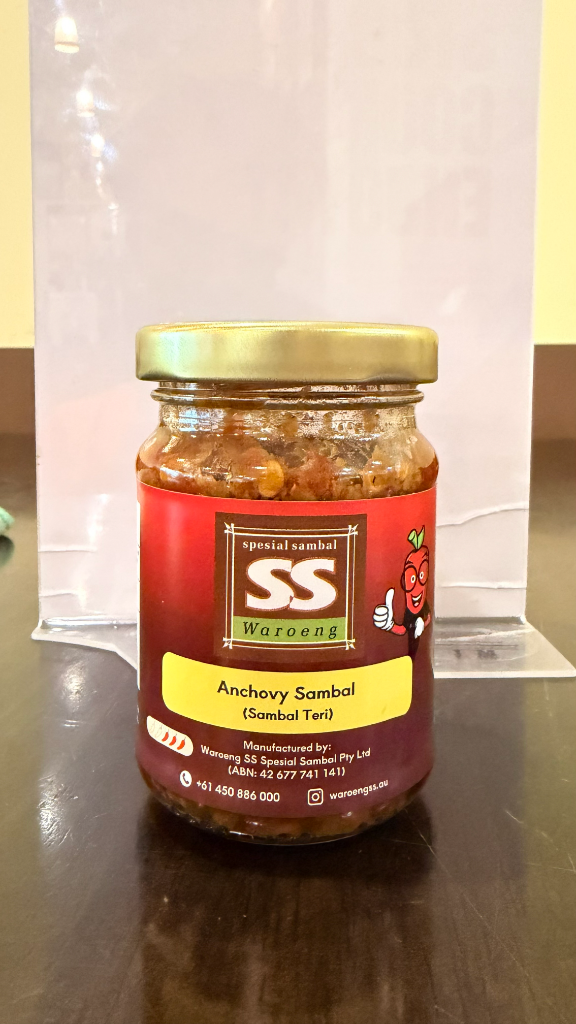
- Sambal Teri. Dried anchovy sambal with deep umami, for people who want something savoury and different.
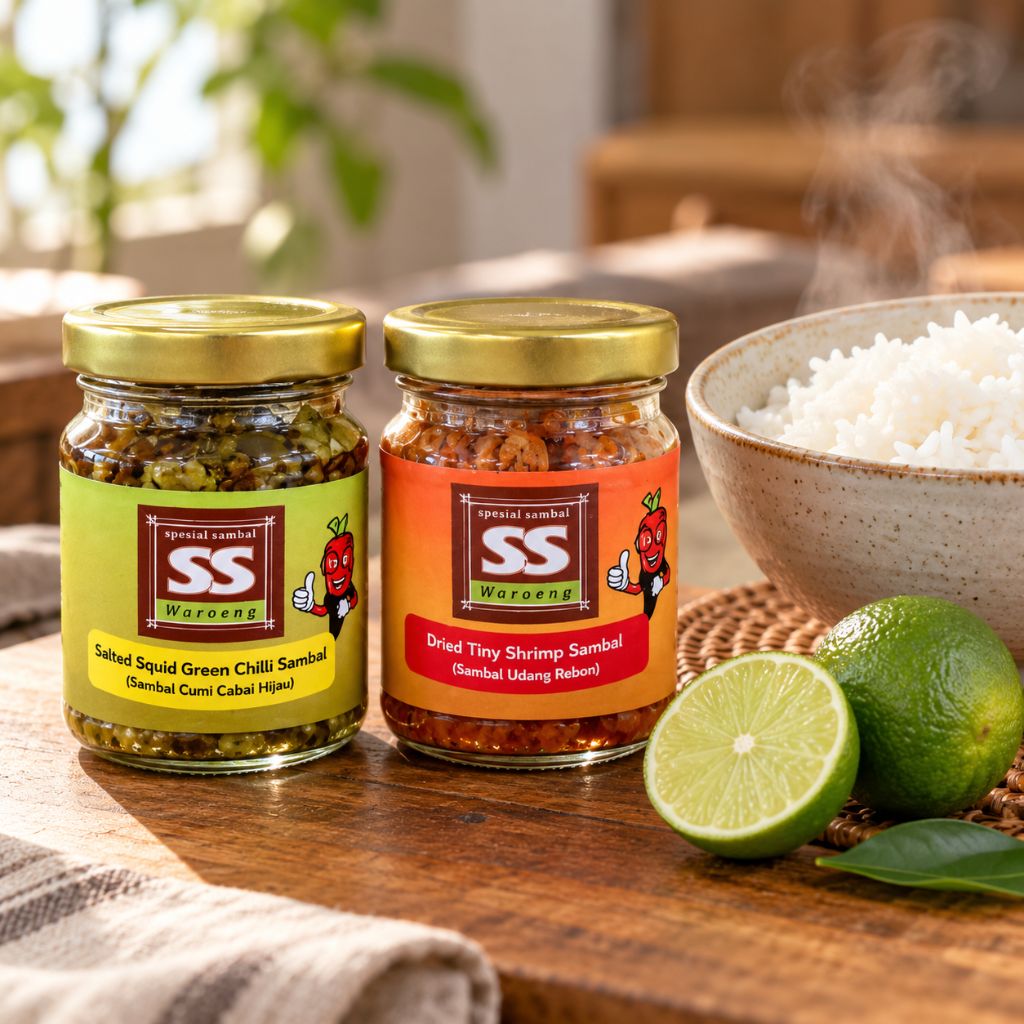
- Sambal Udang and Sambal Cumi Asin. Seafood sambals with a coastal character, for readers ready to go further.
If you are not sure where to begin, choose one of two: Sambal Bajak for depth, or Green Chili Garlic Sambal for freshness.
Three Simple First Uses
You do not need a recipe to start. These three habits cover most of what sambal does.
1. Rice and egg. Steamed rice, a fried egg and a spoonful of sambal is a complete meal and the most traditional way to eat it.
2. Noodles. Toss a teaspoon through hot egg noodles or instant noodles with a little soy sauce. It dresses the bowl in seconds.
3. Marinade. Mix a tablespoon of sambal with a splash of oil and rub it over chicken, lamb or tofu before grilling. The sugars caramelise and the chili mellows.
Where to Buy Sambal in Australia
Most supermarkets stock one or two simple chili sauces. For the wider world of Indonesian sambal, including cooked, fried and seafood styles, you need a specialist. SS Mart makes its sambals fresh in Carlton and ships across Australia, with no preservatives and no artificial additives.
New to sambal? Start with one jar. Browse the SS Mart sambal range, made fresh in Carlton and shipped across Australia.
Recipe: Five-Minute Sambal Rice Bowl
The simplest way to understand sambal is to eat it the way it is eaten at home. This bowl takes five minutes and needs almost no cooking.
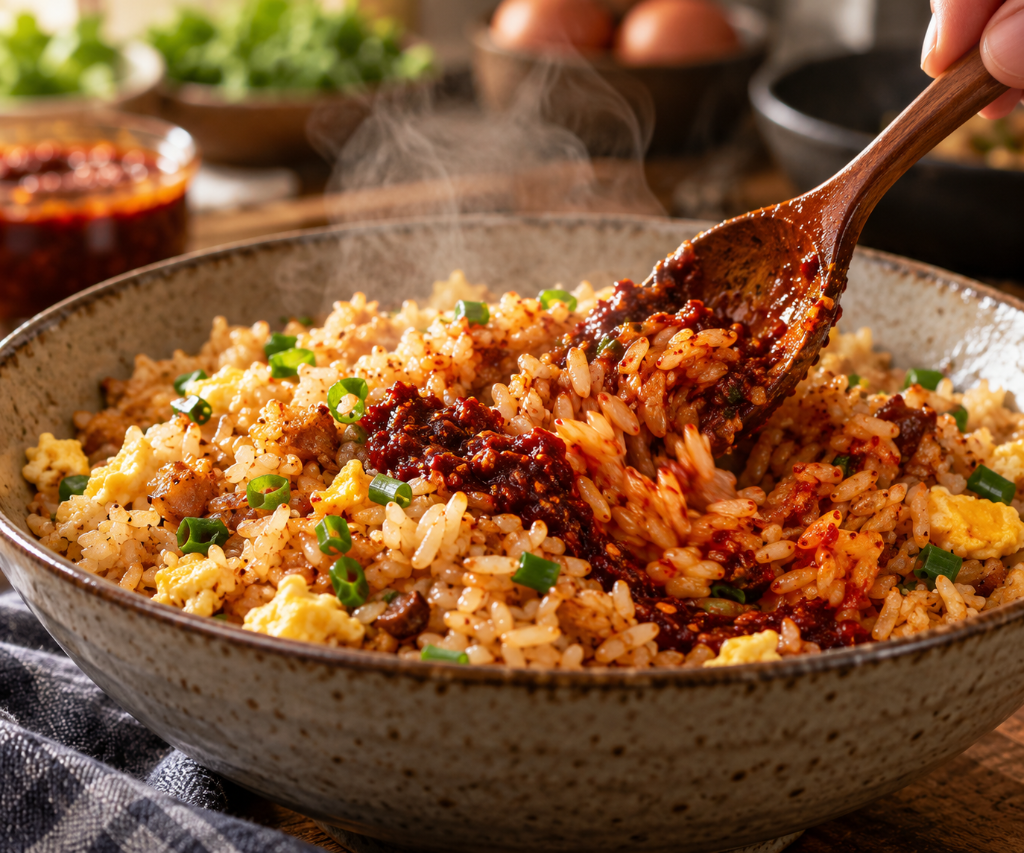
A bowl of sambal is part of almost every Indonesian meal
Serves 1
What you need:
- 1 cup steamed rice, warm
- 1 egg
- 1 teaspoon neutral oil
- Several slices of cucumber
- 1 tablespoon SS Mart sambal (Bajak Sambal for depth, Green Chili Garlic Sambal for freshness)
- A splash of kecap manis (sweet soy sauce)
Method:
Heat the oil in a small frying pan over medium-high heat. Crack in the egg and fry until the whites are set and the edges are crisp, with the yolk still soft.
Spoon the warm rice into a bowl. Lay the cucumber slices to one side and place the egg on top of the rice.
Add the sambal beside the egg, not on top of it, so you can control how much you mix in. Finish with a small splash of kecap manis over the rice.
Break the yolk, stir everything together and taste. If the heat is too much, add more rice; if it is too gentle, add a little more sambal.
Notes: Start with one teaspoon of sambal if you are new to chili. The same bowl works with a boiled egg, tofu or leftover chicken.
SS Mart sambals are made fresh in Carlton, Melbourne, and shipped across Australia. No preservatives. No artificial additives. Indonesian-made, Melbourne-fresh.
Share
Related articles
November 10, 2026
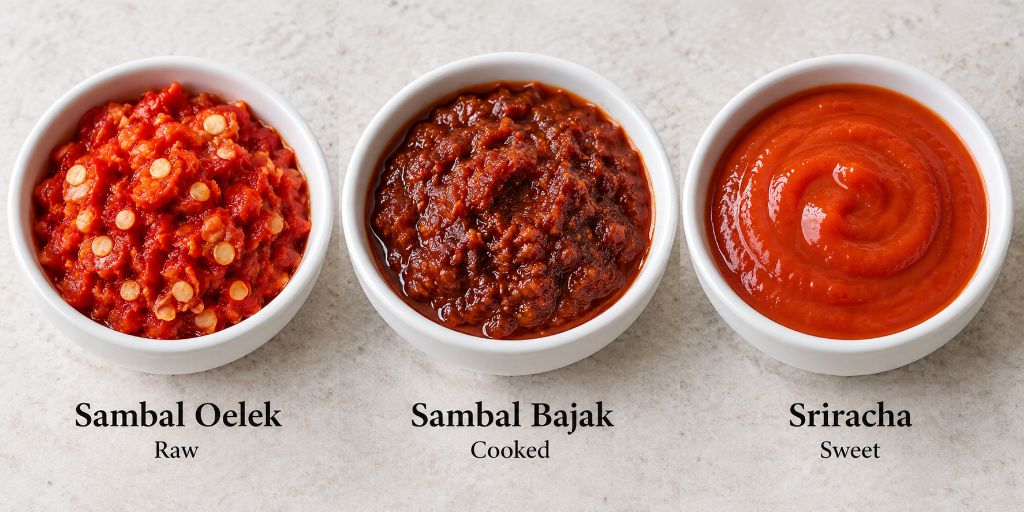
Sambal Oelek vs Sambal Bajak vs Sriracha: What's the Difference (and What to Use Instead)
November 3, 2026
Sambal Udang and Sambal Cumi Asin: The Seafood Sambals That Define Coastal Indonesian Flavour
October 20, 2026
Sambal Teri (Anchovy Sambal): The Umami-Rich Secret Weapon of Indonesian Home Cooking